|
|
|
|
|
In this edition of the newsletter, we take an in-depth look back at the highly successful LiT Aero Conference ’26. With more than 400 participants, the event centred on the theme Forging our Future – Smart. Secured. Sustainable. and demonstrated how sustainability, innovation and strategic autonomy can reinforce one another.
We also discuss the NGF site visit to Aeronamic Innovations, share an update on the subsidy application for the next phase of the Governance project, and review the assessment of the HAPPS project. In addition, we highlight upcoming events and look back on the NXTGEN HighTech Congress, ZERAC Norway, and the Clean Aviation & Clean Hydrogen event in Naples, where the future of hydrogen propulsion took centre stage.
Finally, we put partner Futura Composites in the spotlight. Within the ICEFlight project, the company is developing innovative composite solutions for cryogenic applications and making an important contribution to the development of future hydrogen-electric aircraft.
|
|
|
|
*For the best reading experience, we recommend downloading the images. You can also mark this email address as "safe" to ensure that the newsletter always opens with images, providing the best possible reading experience.
|
|
|
|
General updates |
|
Looking back on a successful LiT Aero Conference ’26
Forging our Future - Smart. Secured. Sustainable. |
|
On 8 October, we forged the future of aerospace together. With over 400 participants from more than 140 organisations and over 20 countries, including public officials, industry leaders, researchers, startups, students and young professionals, the energy throughout the day was truly inspiring.
Together, we demonstrated that sustainable aviation can contribute to a stronger and more autonomous Dutch and European aerospace industry, and that the growing urgency around strategic autonomy can accelerate the innovations needed to achieve net-zero aviation. Throughout the day, optimism and urgency went hand in hand with curiosity, ambition and a shared sense of direction.
Highlights
While it is difficult to choose, we would like to share three standout moments from the LiT Aero Conference ’26.
Women & Allies in Aerospace Breakfast Session
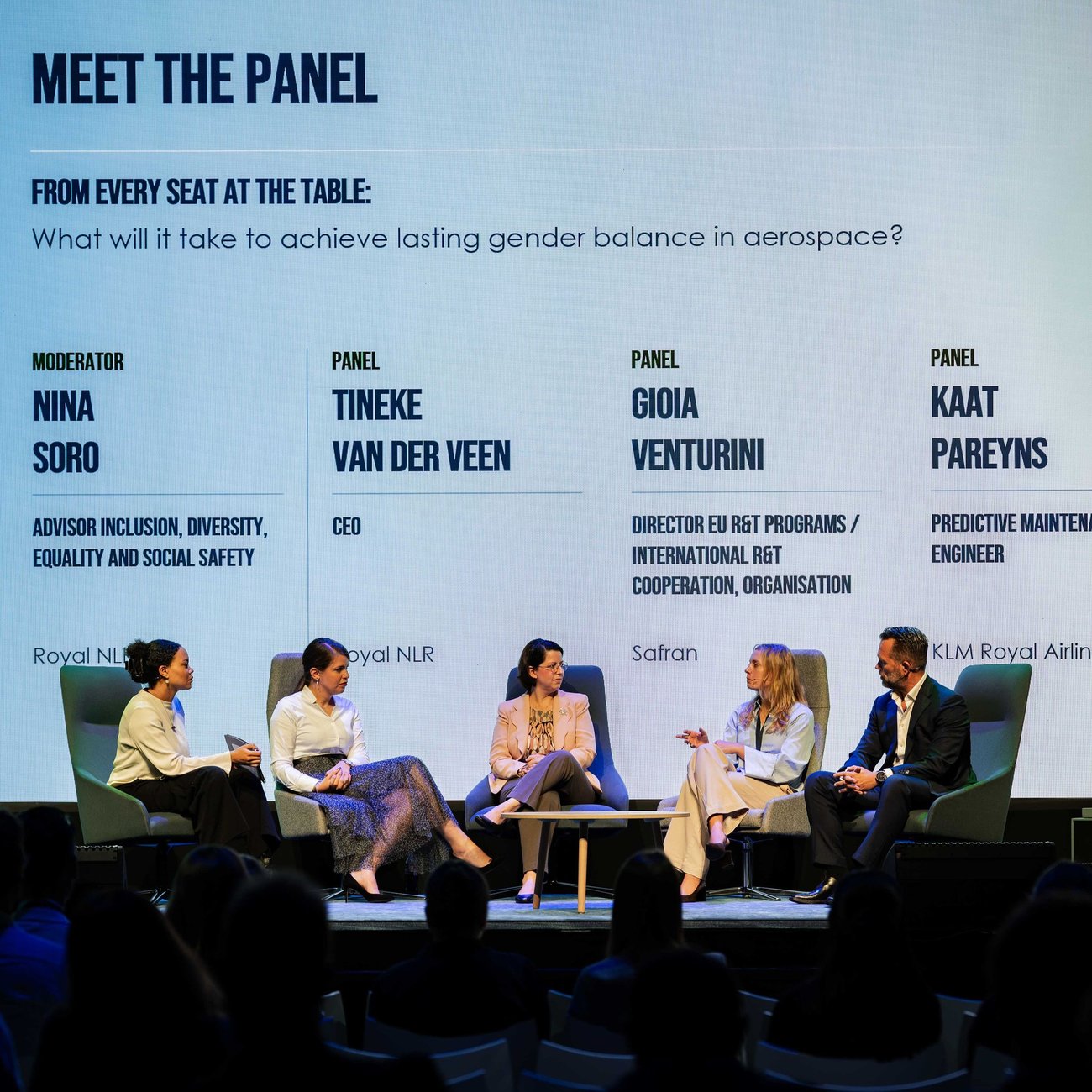
Who is shaping the future of aerospace? Over 80 women and allies joined this session, opened by NLR CEO Tineke van der Veen with a personal story about her career and the role gender played along the way. A diverse panel then explored what it takes to achieve greater gender balance in aerospace. Key takeaways included the importance of senior leadership setting the right example and creating an environment where gender balance can be openly discussed. Another important insight: the gender gap starts long before entering the workforce, shaped by how society presents technical subjects, education and career opportunities.
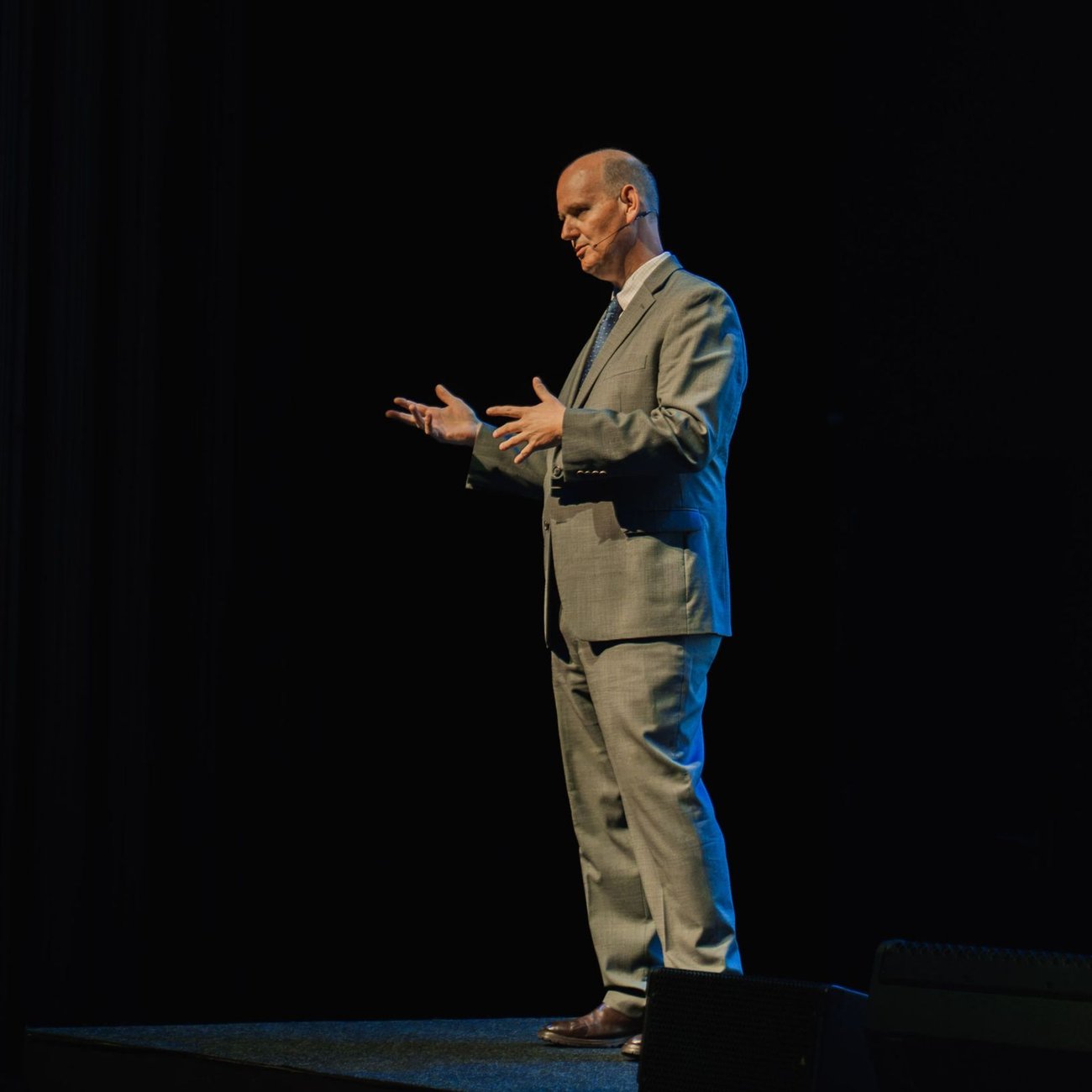
Vince Sidwell – Pratt & Whitney and the Netherlands: A Perfect Match!
An American company delivering a keynote at a conference where strategic autonomy was a central theme. Awkward? Not at all!
Vince Sidwell illustrated why the Netherlands is an attractive and strategic country for aerospace investment, highlighting our expertise, talent and skilled workforce. Strategic autonomy is not about being able to do everything yourself. It is about having a strong and valuable position within the international supply chain. Vince's keynote demonstrated how the strengths of the Dutch aerospace industry are recognised and valued internationally. And the talent Vince spoke about was immediately brought to life in the keynote of Aerodelft that followed.
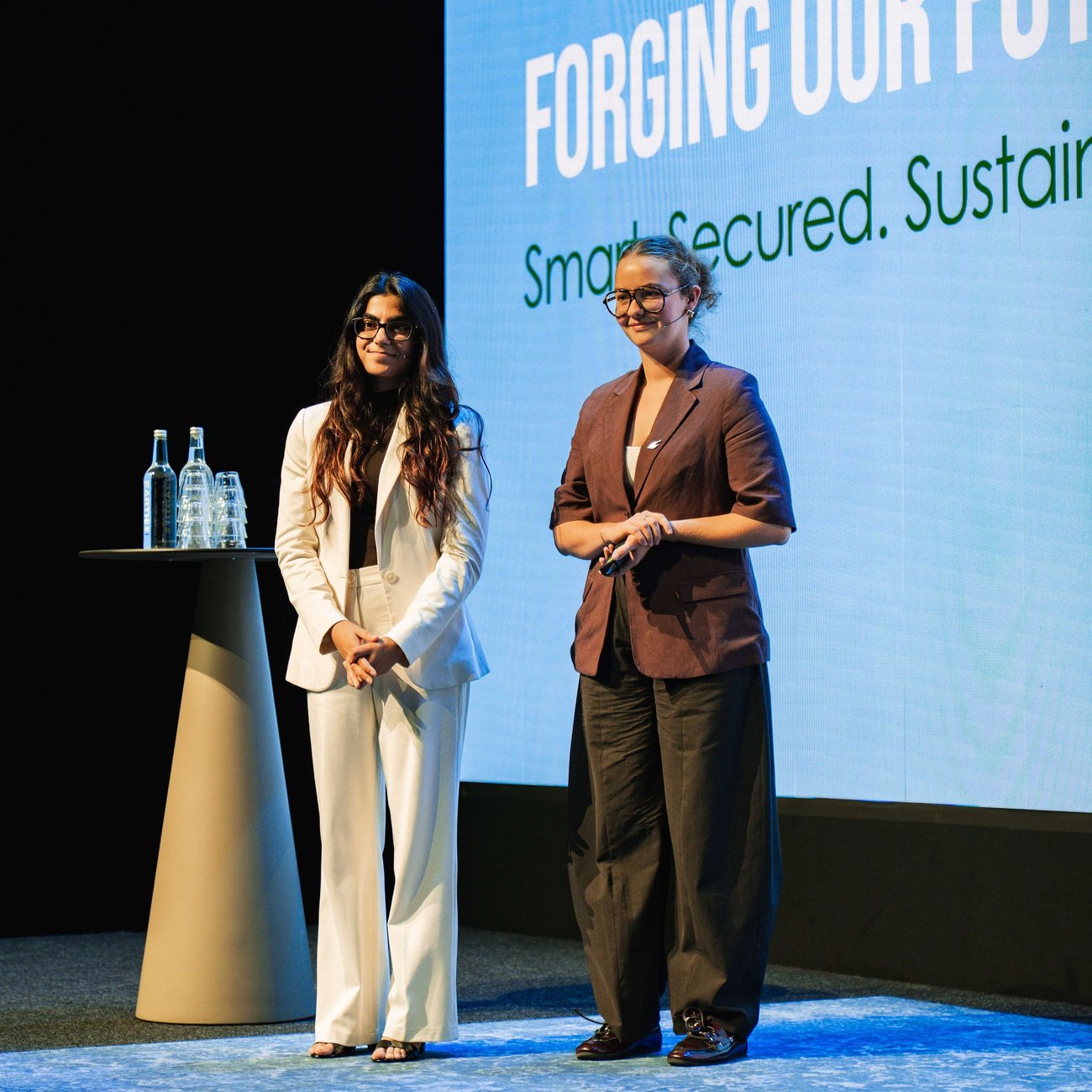
Isha Moharir & Louise Guissett – Where Innovation Takes Flight
What better way to close the conference than with two Aerospace Engineering students inspiring a room full of aerospace experts?
Isha Moharir and Louise Guissett, successive Team Managers of AeroDelft, demonstrated how a student team of around 50 members, changing every year, manages to innovate at a pace that challenges the established industry?
Their inspiring keynote showcased what ambition, talent and determination can achieve, leaving us excited to follow AeroDelft's mission to prove and promote liquid hydrogen as a sustainable alternative to conventional aviation fuels.
A big thank you to everyone who contributed to this successful edition. We hope to see you again on 7 October 2027 for the LiT Aero Conference ’27!
|
| View the aftermovie |
|
|
 |
|
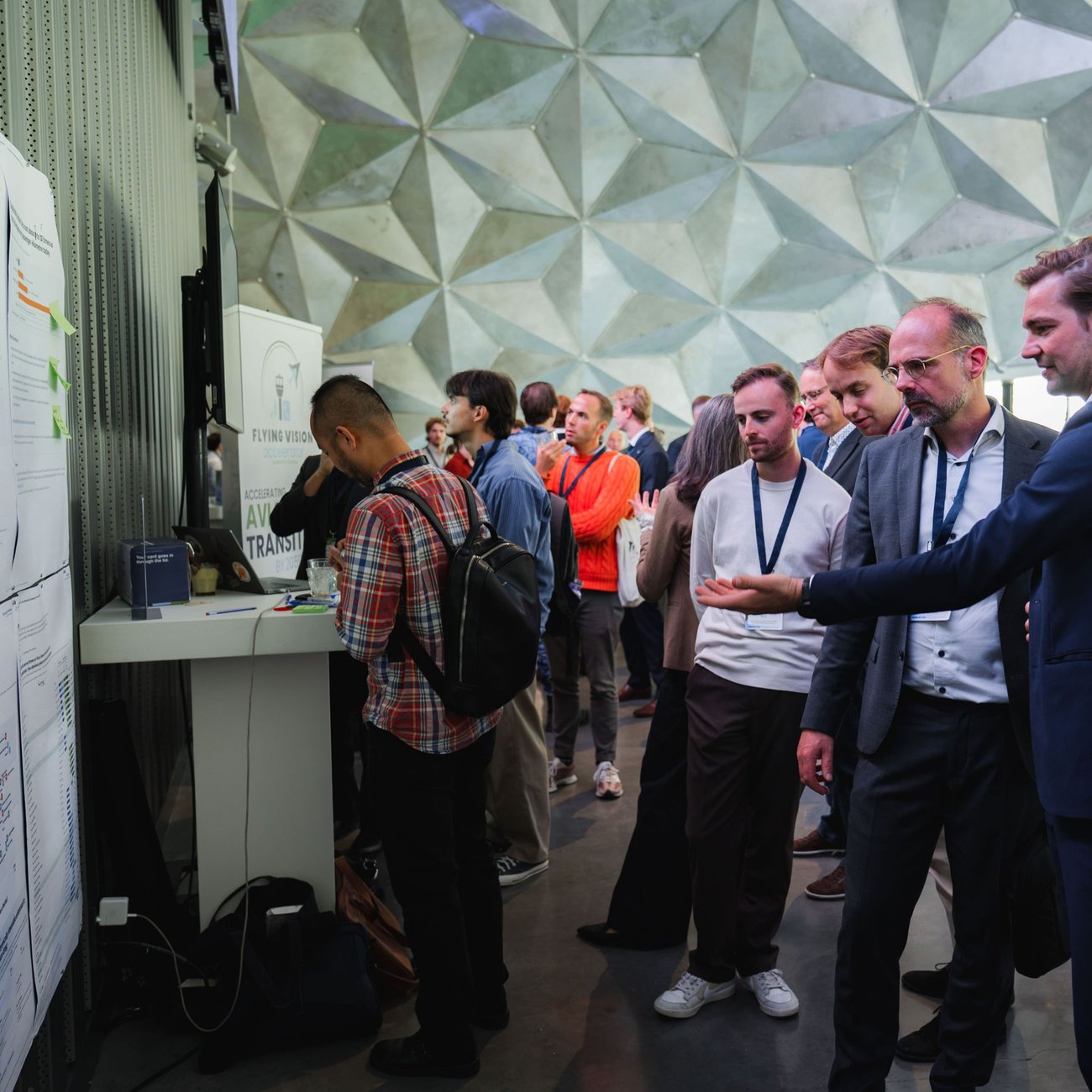
Photo: Innovation Market |
|
 |
|
Photo: Women & Allies in Aerospace Breakfast Session |
|
|
 |
|
Photo: Keynotespeech of Vince Sidwell |
|
 |
|
Photo: Keynotespeech of Isha and Louise |
|
|
|
|
|
NGF Advisory Committee Visit to Aeronamic Innovations
|
|
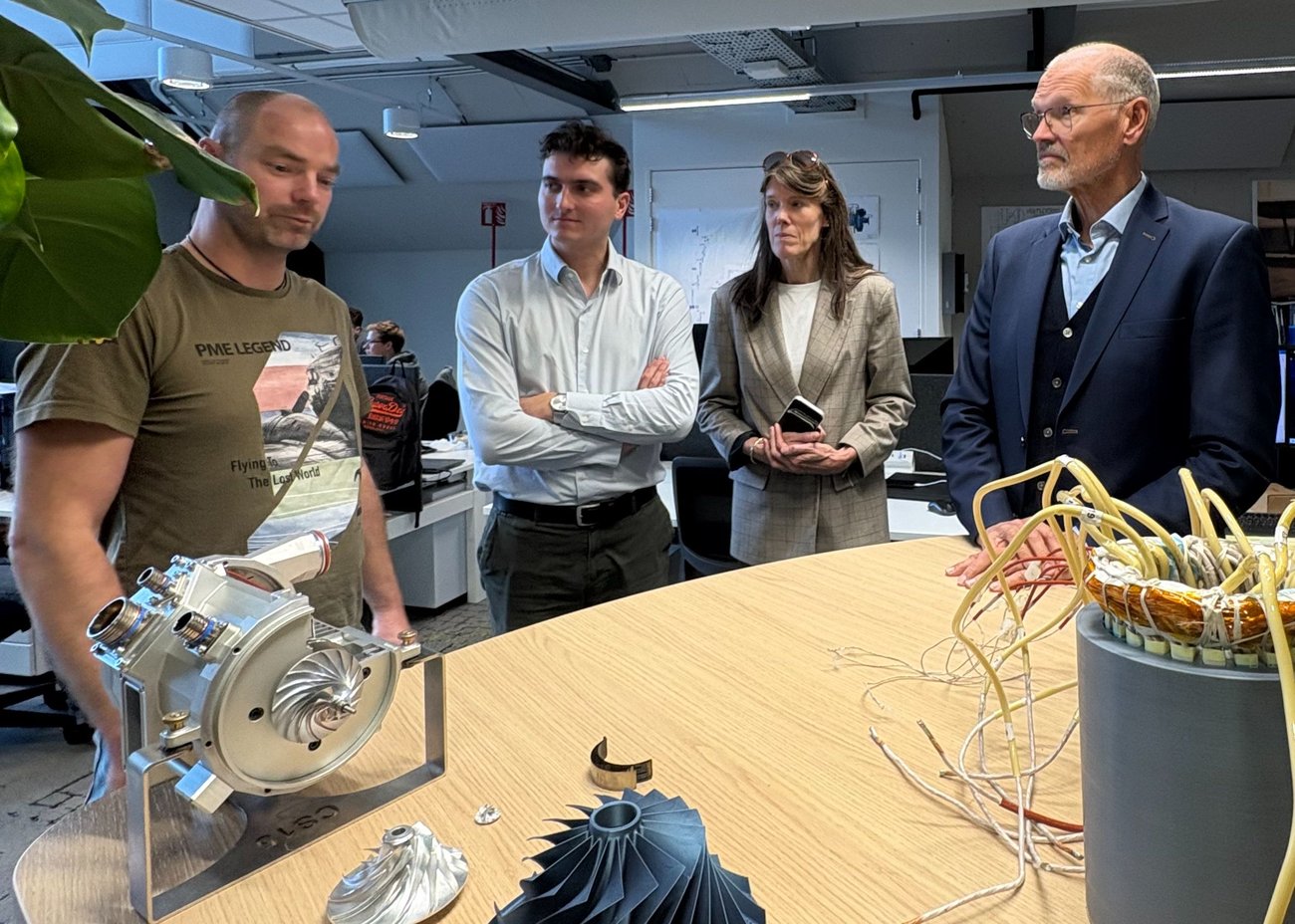
On 2 November, the National Growth Fund (NGF) visited Aeronamic Innovations for its annual site visit to discuss the progress of the LiT programme. Members of the NGF executive staff and advisory committee received updates from two of the fourteen projects, TePS and ICEFlight, gaining insights into their progress and the ways in which these technologies can also be applied beyond the aviation sector.
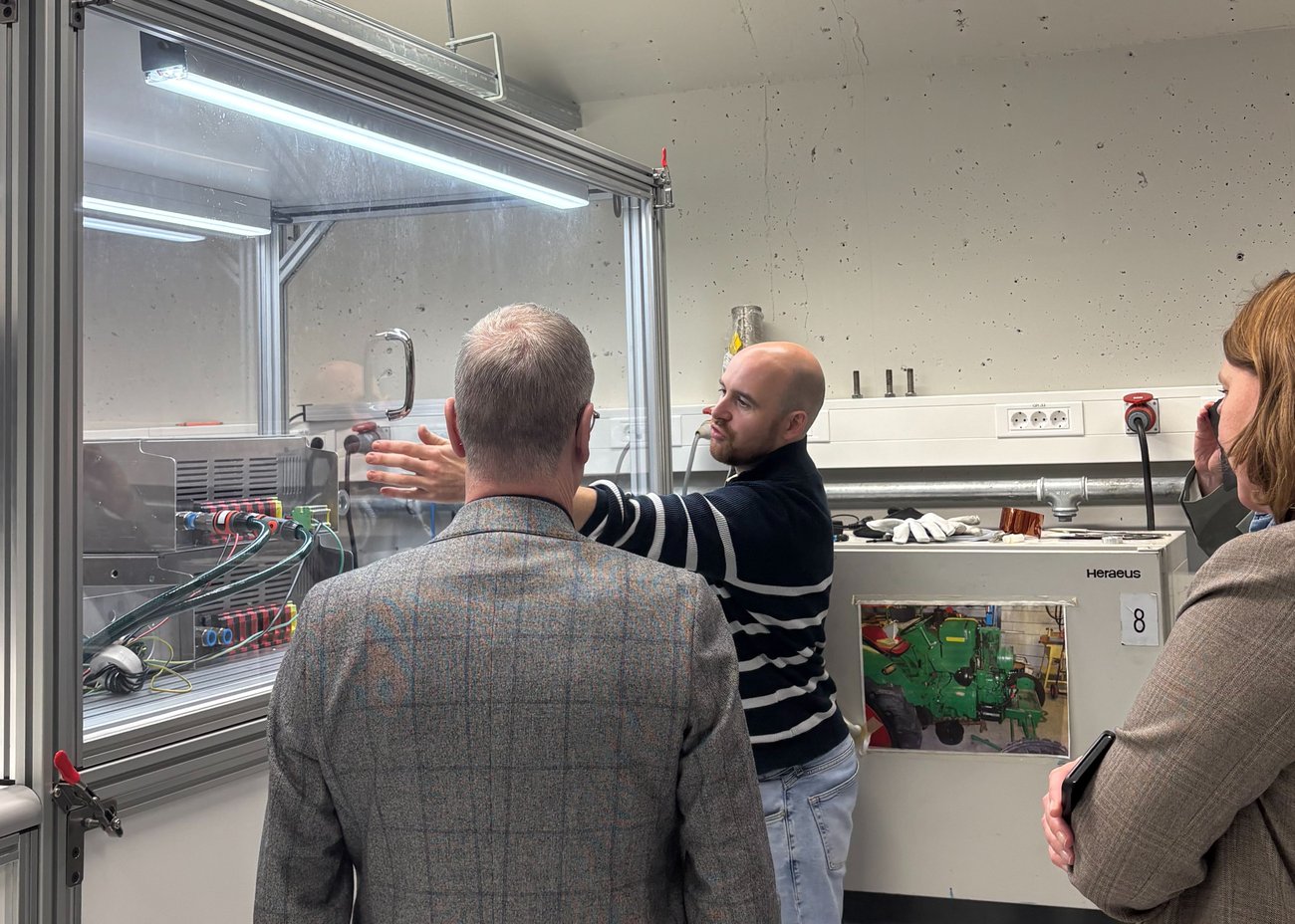
In addition, Aeronamic Innovations organised a tour of its facilities, including a visit to the compressor testing facility. The visit provided a valuable opportunity to discuss the progress being made within the LiT programme and to demonstrate the practical developments taking place across the projects. |
|
|
 |
|
Photo: Tour by Aeronamic Innovations |
|
 |
|
Photo: Tour through the compressorlab |
|
|
|
|
|
Project updates |
|
The Governance-project applies for the next phase
|
|
The Governance (GOV) project has submitted its project plan and grant application for the second half of the LiT programme, marking an important step in preparing for the next phase of the programme. In the first half, GOV has worked on establishing and improving the structures and processes needed to manage a programme involving numerous projects and stakeholders. This includes programme monitoring, reporting, risk management, quality assurance and stakeholder engagement. The coming period builds on this work, the focus will gradually shift from developing structures and processes to putting them into practice and improving them where needed. The activities are organised around three main areas: programme management, communication and stakeholder engagement, and international coordination with national and European programmes. With the submission of the project plan, GOV has taken an important step towards continuing its work and adapting its support to the needs of the programme and its partners in the coming years. |
|
|
|
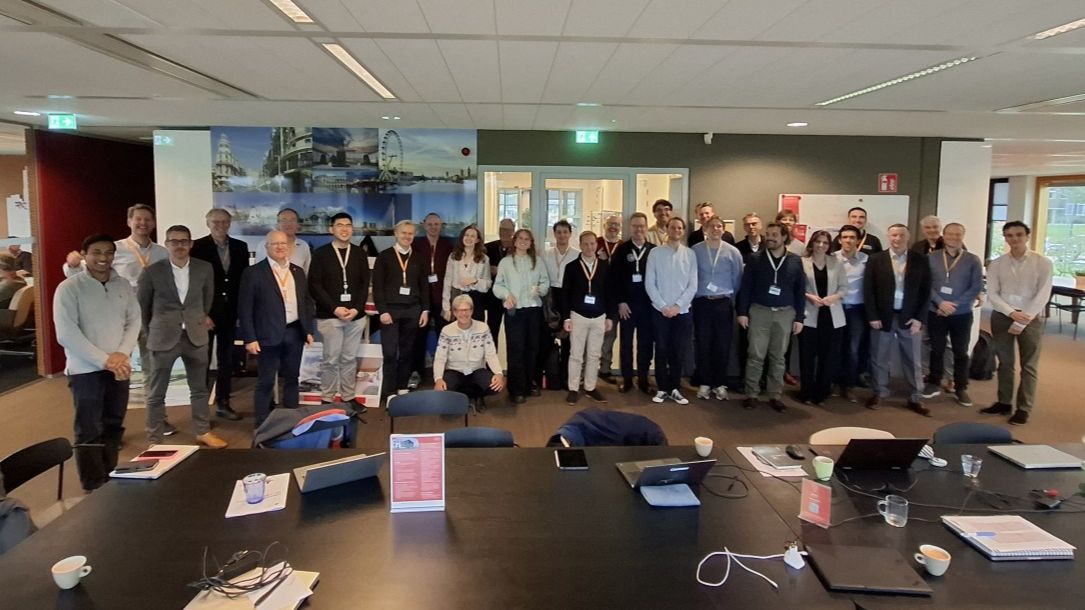
HAPSS project reviewed by external experts
|
|
On the 26th, 27th and 28th of October, the HAPSS project underwent a comprehensive review by independent experts Wim Pasteuning and Simon Weeks. Conscious Aerospace presented project progress towards the main goal of realising hydrogen-powered flight, with all HAPSS project partners in attendance and contributing to open discussions with the reviewers.
The review covered top-level aspects on the first day, addressing the aircraft’s Concept of Operations and the HAPSS consortium and supply chain roles. On the second day, review focused on the aircraft and system modifications required, addressing the architecture of the modification, weight and flight performance analyses, and detailed descriptions of the hydrogen fuel system (liquid hydrogen tank and distribution) and propulsion system (fuel cell, electric power distribution, electric propulsion unit, reduction gearbox and thermal management). The required thorough safety process, coordinated with EASA, and hazard analysis results were explained. The final review day started with schedule, plans and infrastructure required to perform ground testing and flight demonstration and then looked in detail at the project’s overall planning: the progress to date, planning methodologies, and the project schedule.
The reviewers commended the HAPSS team on their clear commitment and engineering excellence in addressing the high technical challenges for this pioneering project, and their well-structured processes and thorough approach to do so. They also observed the considerable project challenges with respect to reaching the project milestones in time. The reviewers recommended to strongly prioritise on the critical path toward iron bird testing in 2028 and flight demonstration in 2029, and to focus the flight demonstrator on incorporating only those technologies that require flight test to demonstrate compliance. This comprises the fuel cell power system, hydrogen storage and distribution system, and the thermal management system.
We are looking forward to seeing the next exciting stages of this ambitious project. |
|
|
 |
|
Photo: Group picture of the HAPPS-projectpartners |
|
|
|
|
|
Events |
 |
|
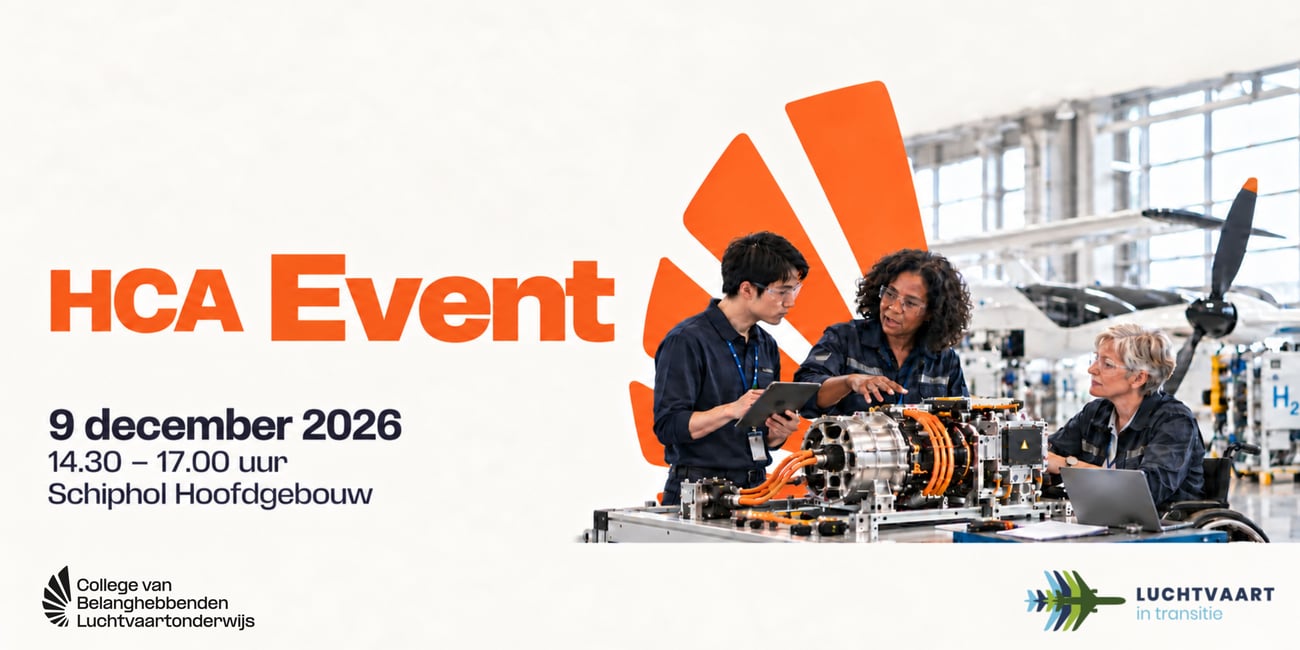
LiT Human Capital Agenda (HCA) Event
|
|
How do we prepare people for an aviation sector in transition?
This question will take centre stage at the LiT HCA Event on 9 December.
We will reflect on the results of the Human Capital Agenda during the 2023–2026 period and look ahead to the future. What knowledge and skills will tomorrow’s aviation sector require? How can we attract talent and strengthen collaboration between education and industry?
During the event, we will present the latest labour market research, providing insights into changing workforce demands and the skills required for emerging technologies. This will be followed by a labour market panel discussion in which representatives from industry and education will explore what these findings mean in practice and identify the steps we can take together.
Will you be joining us? We look forward to welcoming you on 9 December from 14:30 to 17:00 at the Schiphol Head Office, followed by a networking reception. |
| Registration |
|
|
|
Information and Network Event - Clean Aviation
|
|
Position Your Organisation for the 5th Clean Aviation Call (16 December 2026)
In February 2027, the Clean Aviation Joint Undertaking (JU) will launch its fifth call for proposals. With an expected EU contribution of several hundred million euros under Horizon Europe, this European public-private programme focuses on breakthrough R&D for climate-neutral aviation. To help position Dutch organisations within leading European consortia, RVO, EZK, IenW, AeroNL, NLR and TU Delft are organising a matchmaking and information event.
Why participate?
-
Direct engagement: Explore collaboration opportunities with core members of the Clean Aviation JU.
-
Consortium building: Strengthen your position within the European supply chain and accelerate your R&D roadmap through EU co-funding.
-
Insight into upcoming themes: Receive information on the forthcoming calls (indicatively TRL 3-6), focusing on low-emission aircraft, sustainable fuels and the energy transition.
Practical details:
-
Target audience: Dutch companies, knowledge institutes and organisations active in aviation innovation (TRL 3-6).
-
Date & Time: Wednesday, 16 December 2026 (programme to be announced at the end of November).
-
Format: Hybrid. Physical location: TU Delft, Faculty of Aerospace Engineering (Kluyverweg 1, Delft).
-
Registration: Please send an email to teamiris@rvo.nl before 25 November 2026. (Please note: participation is subject to alignment with the target audience.)
|
 |
|
|
|
NXTGEN HighTech conference
LiT attended the NXTGEN HighTech conference
|
|
The factory of the future for the smart and automated production of Dutch aircraft components for energy-efficient aircraft and military aviation platforms is coming closer. NXTGEN demonstrations showcased real-time data-driven production management, cognitive robotics capable of handling a wide variety of tasks, and advanced machinery for manufacturing lightweight composite structures. Together, these form the building blocks needed to produce the technologies being developed within LiT in a cost-effective, scalable manner and on home soil: thermoplastic composite aerostructures, advanced high-voltage electrical wiring, and energy-efficient lightweight compressors for thermal management.
Speakers highlighted the importance of securing so-called control points within international value chains, whether by individual companies or clusters, and always with the support of a broader ecosystem. It was made clear that this cannot be achieved without substantial investment to bridge the gap between innovation and industrialisation.
The path forward is clear: bringing together the building blocks of NXTGEN and LiT and collectively investing in a sufficiently ambitious industrialisation effort to secure a key position in the value chain. This is the route towards sustainable economic growth, strengthening strategic relevance, and producing enough energy-efficient aircraft to help achieve the EU target of 70% fleet renewal by 2050. |
 |
|
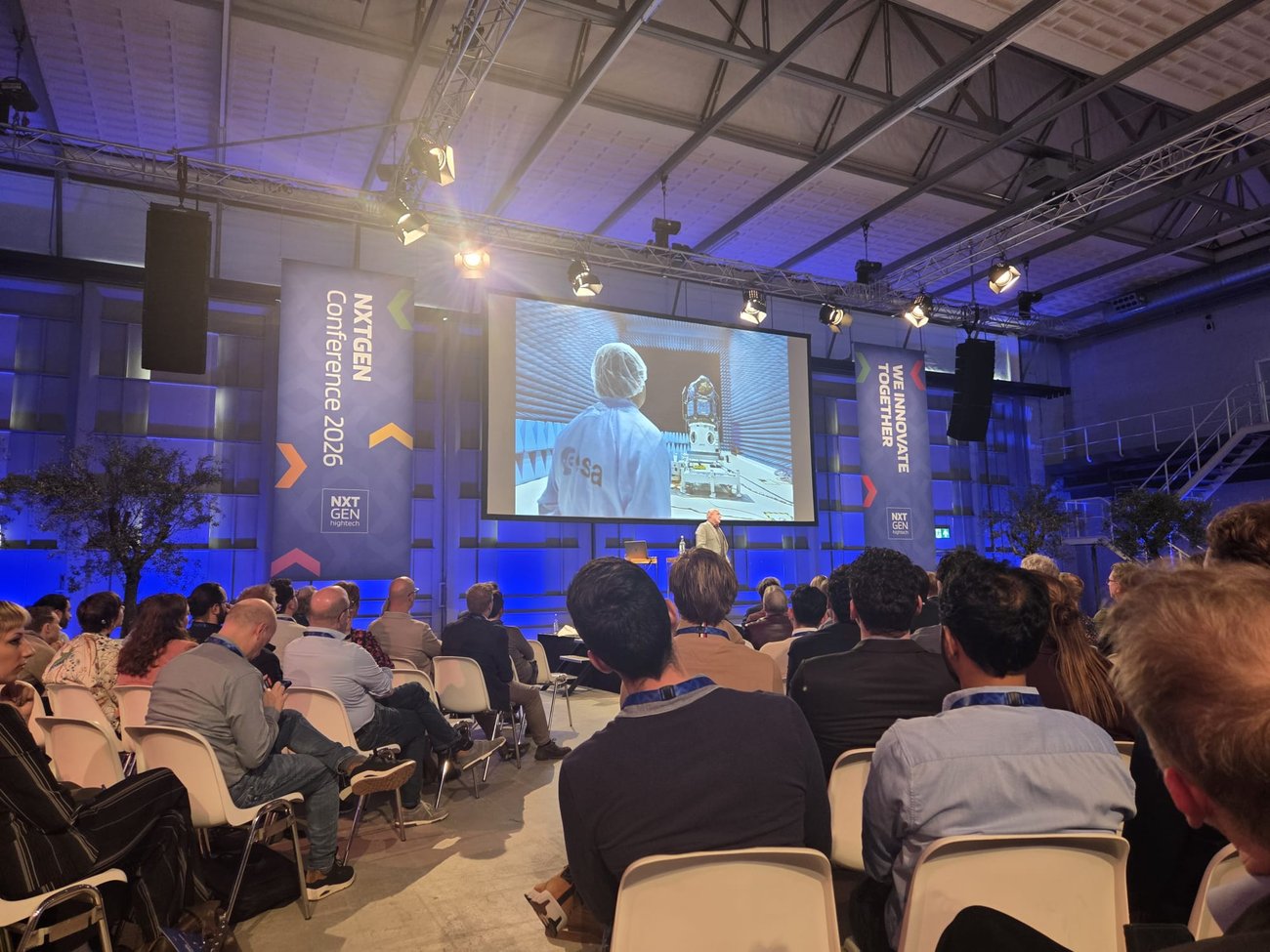
Photo: Keynotespeech by André Kuipers during the NXTGEN HighTech conference |
|
|
|
|
|
Zero Emission Regional Aviation Conference 2026
LiT attended ZERAC Norway
|
|
On 28 October, the ZERAC (Zero Emission Regional Aviation Conference) took place in Oslo. A day later, a meeting focused on hydrogen and innovation was held in Bodø, in northern Norway. Marlies Hak attended both events and is pleased to share the key insights from these inspiring days.
The conference in Oslo was characterised by a strong sense of positive energy and entrepreneurship. The day began with several keynote presentations, including one from the Minister of Transport, who remarked: “In times of uncertainty, we should not wait and see, but take action.” Naturally, I fully agree with that sentiment. Standing still means falling behind; sometimes the route only becomes clear once you take the next step.
That is why I was particularly encouraged by the initiatives launched during the conference by CAA Norway and Avinor. They are opening their international test arena to organisations from across Europe, enabling simulation and testing activities at Norwegian airports. Organisations are invited to submit proposals for electric aircraft, hydrogen-powered aircraft and EVTOLs. This presents an excellent opportunity for our ecosystem to become involved. Later this year, a dedicated RFP focused specifically on hydrogen will also be launched.
After a day of presentations by OEMs and other fieldlab initiatives, including SATE in Scotland and Rotterdam The Hague Airport, it was time to travel onwards to Bodø, in the Arctic region, with its characteristic temperatures and short daylight hours.
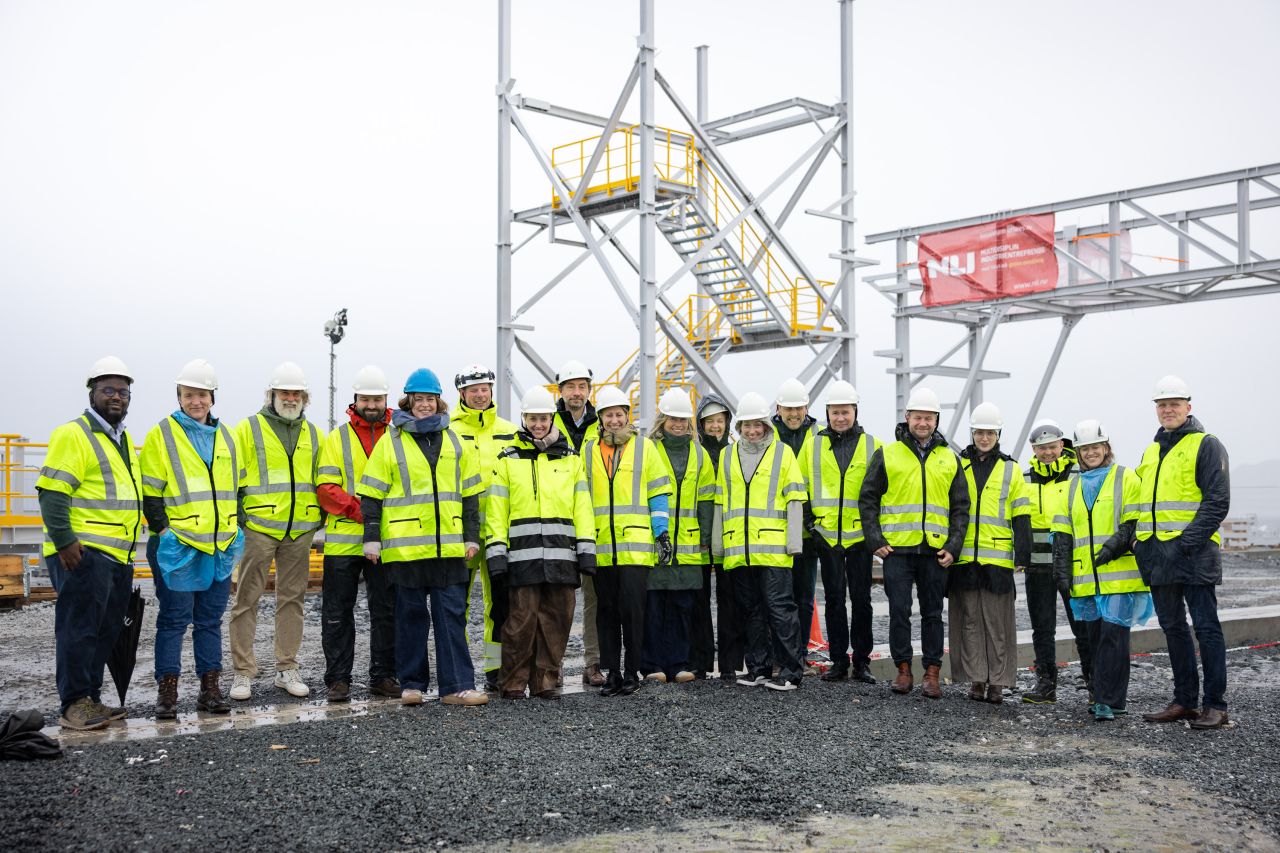
I was invited by CAA Norway, together with representatives from CAA UK, Avinor, Airbus and GreenH, to exchange knowledge and experiences relating to hydrogen and innovation. Discussions focused on questions such as: what barriers are we encountering, what are the key lessons learned so far, and how can we further strengthen collaboration both within and beyond the aviation sector?
Alongside the presentations, we also visited the hydrogen production facility that GreenH is constructing next to the airport. This installation, located adjacent to an airport currently undergoing a complete redevelopment, will be capable of supplying hydrogen to large vessels, among other applications. GreenH is also actively exploring opportunities in aviation. It was easy to imagine the possibilities this could create for future fieldlabs.
Following a visit in cold and rainy conditions, we had the opportunity to warm up at Avinor’s remote tower facility. It was impressive to see how fourteen airports are managed remotely and to appreciate the amount of technology, as well as the human factors, involved in making this possible.
Looking back, these were two particularly valuable and inspiring days. New connections were established and, once again, it became clear how important it is for our ecosystem to collaborate with international ecosystems and fieldlabs. |
 |
|
Photo: Knowledge exchange in Bodø |
|
|
|
|
|
Naples workshop hydrogen propulsion
LiT attended the Clean Aviation & Clean Hydrogen workshop |
|
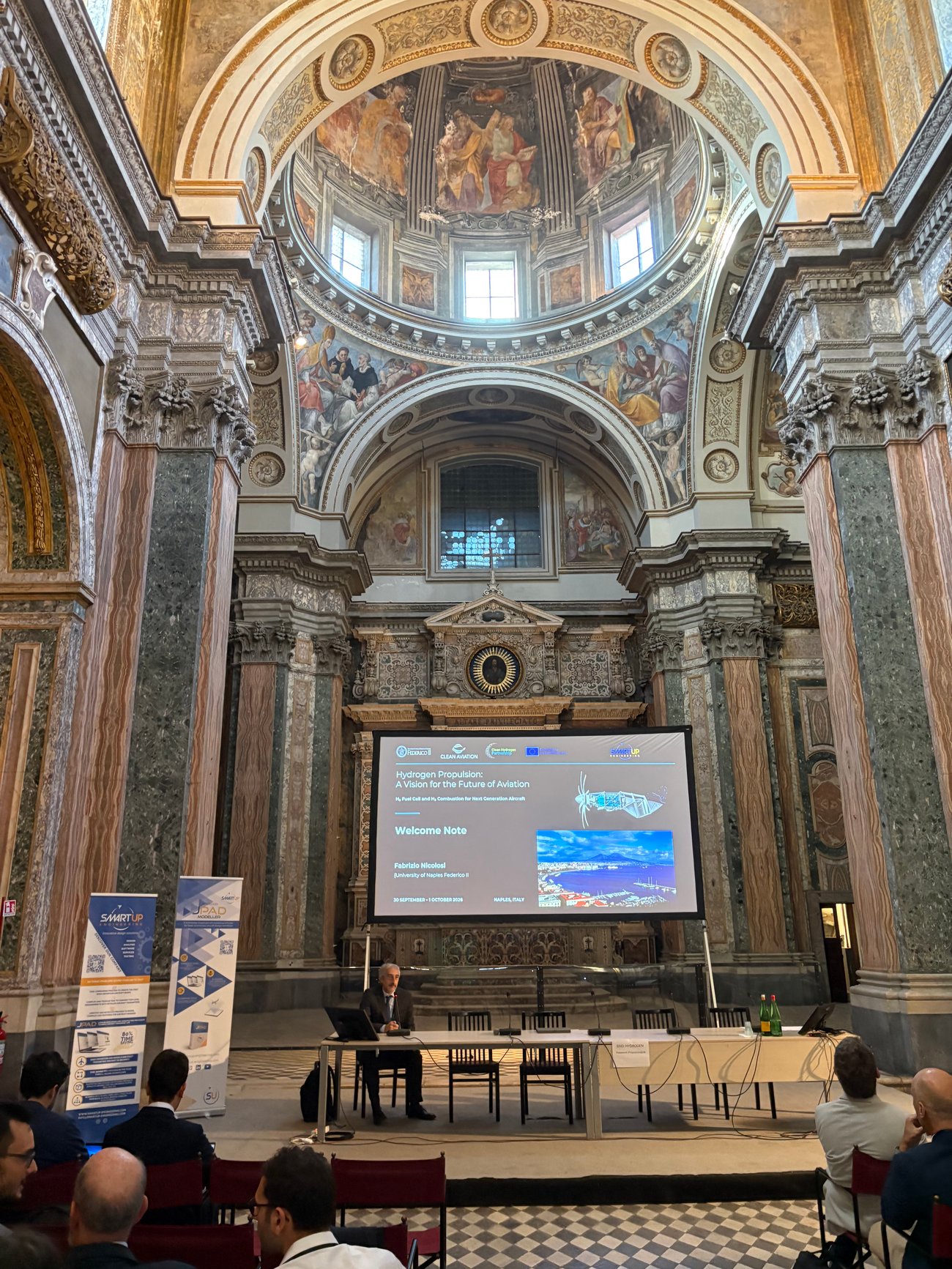
LiT recently attended the workshop “Hydrogen Propulsion: A Vision for the Future of Aviation”, organised with the support of Clean Aviation and Clean Hydrogen. During the event, various European research organisations and industry partners, including Airbus, Rolls-Royce, Safran and NLR, presented the progress and results of innovative research projects funded by Clean Aviation and Clean Hydrogen.
The presentations provided insights into the development of hydrogen-electric propulsion systems, hydrogen combustion engines and the necessary airport infrastructure. Both technological breakthroughs and remaining challenges were discussed, including thermal management, system integration, reliability and emissions reduction.
A key takeaway was that the industry is increasingly moving beyond individual component research towards integrated demonstration systems. At the same time, international collaboration remains essential to addressing the technical, economic and infrastructural challenges associated with hydrogen-powered aviation.
For LiT, the event provided valuable insights into European developments and their connections with Dutch projects contributing to a more sustainable aviation sector. |
 |
|
Photo: The presentation of the workshop in the Chiesa Dei Santi Marcellino e Festo in Napels |
|
|
|
|
|
Partner in de Spotlight: Futura Composites |
|
Futura Composites B.V., based in Heerhugowaard in the province of North Holland, is one of the Dutch partners in the ICEFlight research project. Within this consortium, led by Airbus, work is underway on technologies for future hydrogen-electric aircraft. Within ICEFlight, Futura focuses on the development of high-performance composites for the cryogenic system.
Within the project, Futura is responsible for the development of lightweight versions of two components: the cryostat for the heat exchanger and the helium buffer tank. These components must be lightweight and strong while maintaining their mechanical, thermal and electrical insulation properties under the demanding conditions that may occur within the system.
For this development, Futura draws on many years of experience with fibre-reinforced composite components used in cryogenic environments. Futura Composites develops and manufactures, among other products, structural, electrically insulating and non-magnetic components for superconducting magnets. These components must retain their strength, dimensional stability and functional properties at very low temperatures, preferably even during repeated temperature cycles.
Futura Composites was founded in 1968 and is one of the first specialised manufacturers of industrial composite components in the Netherlands. Since 2000, the company has been part of the Tesla Engineering Group. From its facility in Heerhugowaard, Futura develops and manufactures custom components for major international OEMs. A specialised team of engineers supports customers throughout the entire process, from concept development, material selection and engineering to a manufacturable product.
Futura primarily focuses on high-performance thermoset composites. Fibre reinforcement, resin selection and design are carefully matched to the mechanical, thermal, electrical and functional requirements of each application. Futura Composites’ core competencies include:
- Design and engineering of fibre-reinforced thermoset composite components;
- Development of lightweight, non-magnetic and electrically insulating structures;
- Precision machining, bonding, assembly and testing;
- Components for cryogenic and superconducting applications;
- Industrialisation of new technologies into reliable and repeatable products.
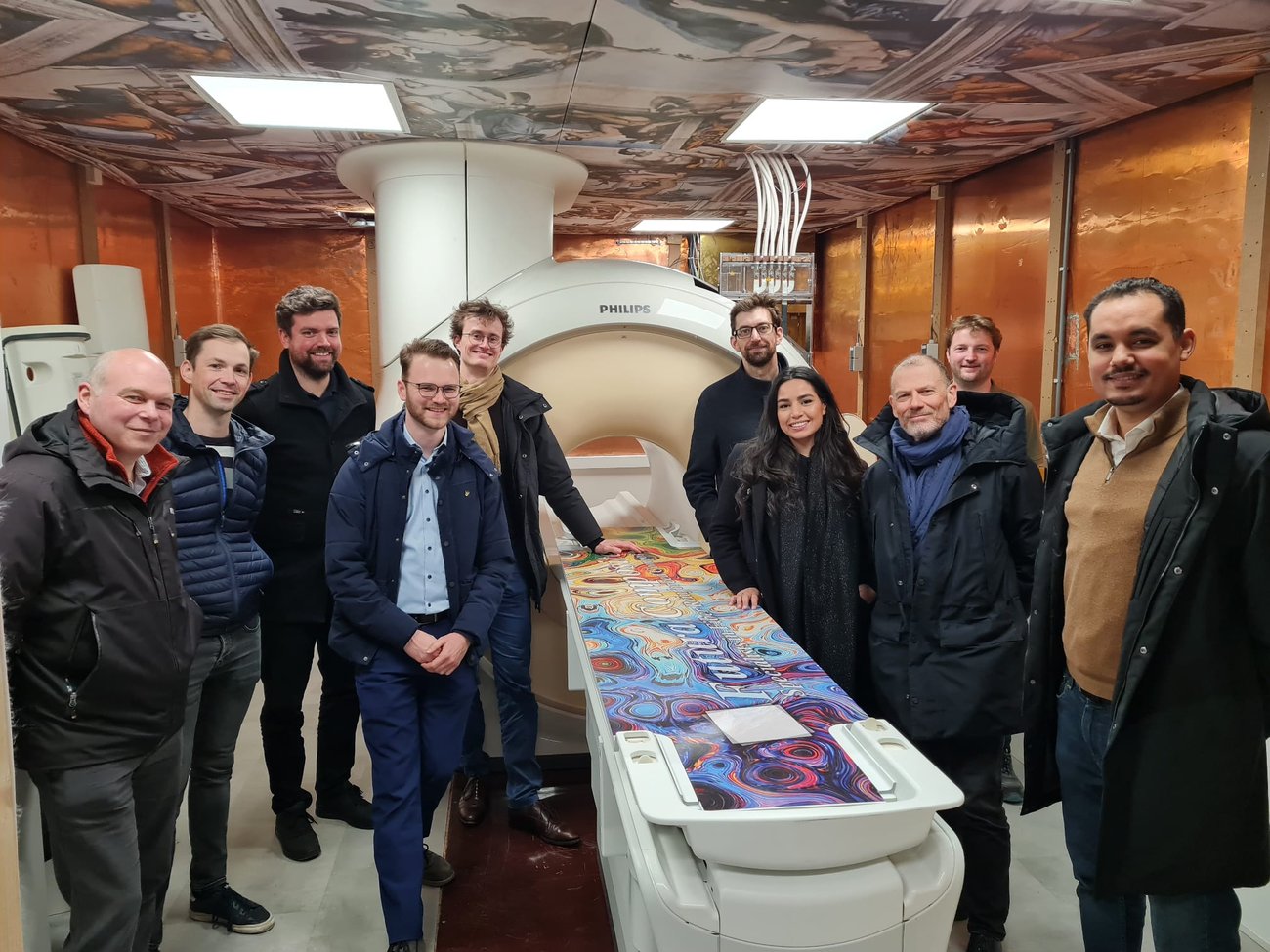
Since 1983, Futura has been manufacturing components and assemblies for MRI systems, including parts for gradient coils, RF coils and superconducting magnets. The knowledge gained in cryogenic temperatures, electrical insulation, dimensional stability and non-magnetic structures provides an important foundation for the development of the composite components within ICEFlight.
In addition, Futura collaborates with universities and research centres around the world on the development of new technologies based on fibre-reinforced composites. Through these collaborations, Futura helps translate innovative research concepts into functional demonstrators and ultimately into reliable, repeatable and manufacturable components.
Futura also has extensive and demonstrable experience within the aerospace sector. The company has achieved Technology Readiness Level (TRL) 9 for aerospace applications, meaning that the applied technology has been proven in an operational environment. Futura has supplied components for various European and international space programmes, including the Artemis programme. This experience highlights its ability to develop and manufacture lightweight composite components in accordance with the sector’s stringent quality, documentation and reliability requirements.
Futura is certified to ISO 9001 for quality management, ISO 13485 for medical devices and ISO 14001 for environmental management. These certifications support the controlled development and production of high-performance composite components for major OEMs in sectors including medical technology, aerospace, energy, petrochemicals, maritime applications, the semiconductor industry, cryogenics and superconductivity.
With the development of the composite cryostat for the heat exchanger and the helium buffer tank within ICEFlight, Futura demonstrates its ambition to make new technologies practically applicable. The combination of composite engineering, cryogenic expertise, international research collaboration and industrial manufacturing makes Futura a valuable partner for lightweight, reliable and manufacturable components for the technologies of the future. |
|
|
 |
|
Photo: ICEFLIGHT at Futura Composites |
|
|
|
|
|
|
|
5 - 6 November 2026
17 - 18 November 2026
30 Nov - 1 Dec 2026
2 December 2026
9 December 2026
16 December 2026
15 January 2026 |
|
|
|
5 - 6 November 2026
Het Groene Waterstofhuis
17 - 18 November 2026
ATI Conference
30 Nov - 1 Dec 2026
Future Aero Festival 2026
2 December 2026
LiT Community Event / SKB Kennis Event
9 December 2026
LiT Human Capital Agenda Event
16 January 2026
RVO Information and Network Event - Clean Aviation
15 January 2026
LiT STC academic symposium |
|
|
|
|
|
Want to know more about LiT? |
|
|
|
|
|